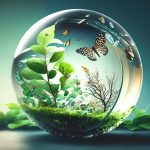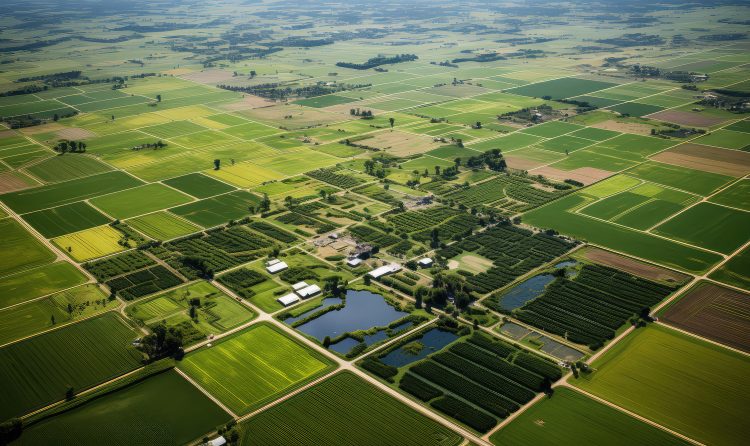

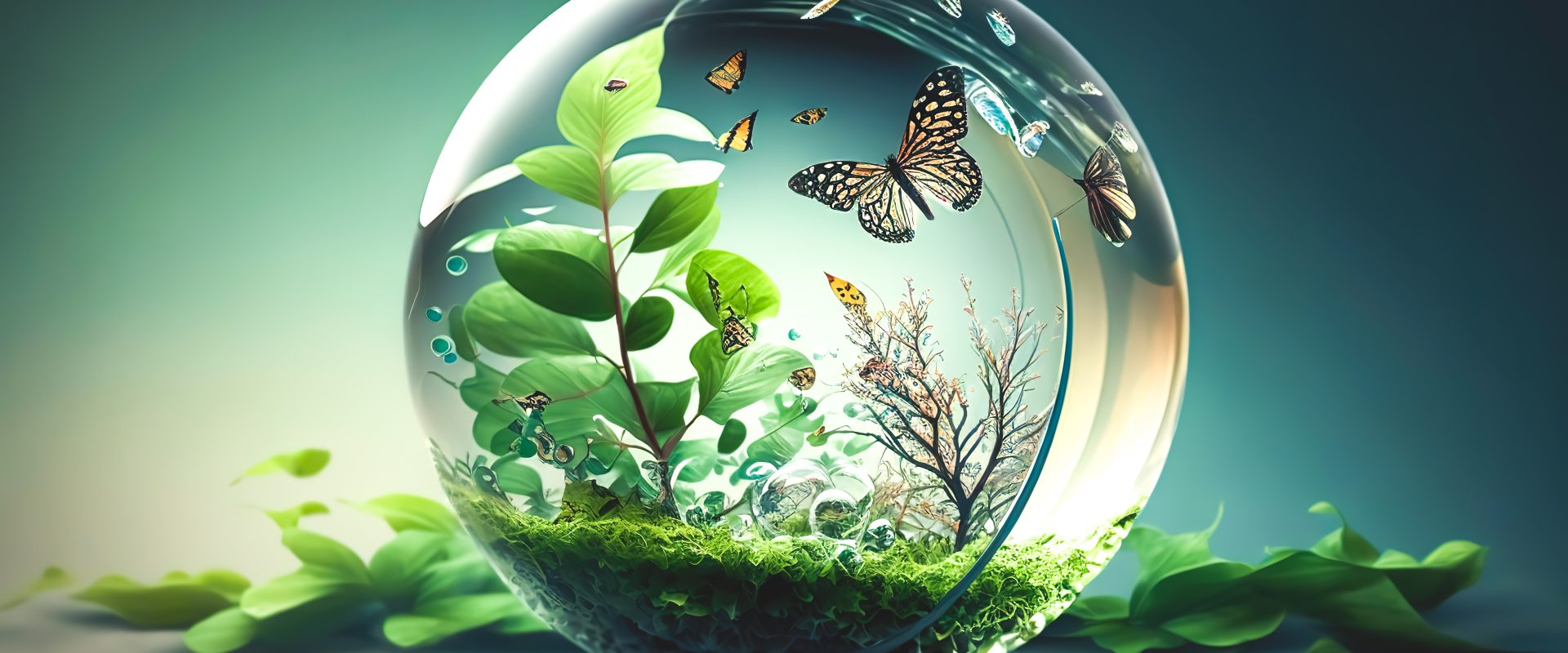
Biodiversity means having a variety of plants, trees, insects, birds, animals, and microorganisms living together in an ecosystem.
A sustainable farm isn’t just about growing crops. It’s about creating an environment where different forms of life can support one another.
- 1. Healthier Soil:
Microorganisms such as bacteria, fungi, and earthworms aid in the decomposition of organic materials and replenish the soil with nutrients. Soil health is influenced by good biodiversity.
- 2. Better Pollination:
Pollinators such as bees and butterflies aid in the reproduction of several plants. An environment that is more active and balanced can be produced by a farm that encourages pollinators.
- 3. Natural Pest Management:
Certain pest populations can be naturally controlled by birds, frogs, beneficial insects, and other wildlife, which lessens the need for chemical treatments.
- 4. Stronger Ecosystems:
Because different plants and organisms serve distinct purposes, a diversified farm is typically more robust. Even if one species is impacted, the ecosystem can still be supported by other species.
- 5. Better Soil & Water Protection:
Vegetation and trees promote water infiltration, lessen erosion, and keep soil in place. Additionally, plant diversification can shield the soil from shifting weather patterns.
- 6. More Than Just a Harvest :
Fruit trees, flowering plants, timber trees, native vegetation, birds, butterflies, and soil organisms can turn farmland into a living ecosystem—not simply a place where crops are grown.
What Does Biodiversity Look Like on a Farm?
Trees + Crops + Birds + Bees + Butterflies + Earthworms + Healthy Soil
Together, they create a natural cycle where each part plays a role.
The Bigger Picture
Sustainable farmland isn’t only about what we grow.
It’s about everything that grows, lives, and works together.
Healthy biodiversity today can help create healthier farmland for tomorrow.