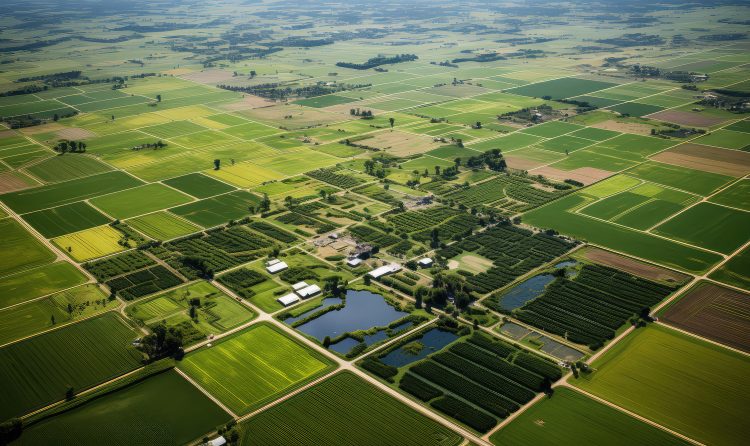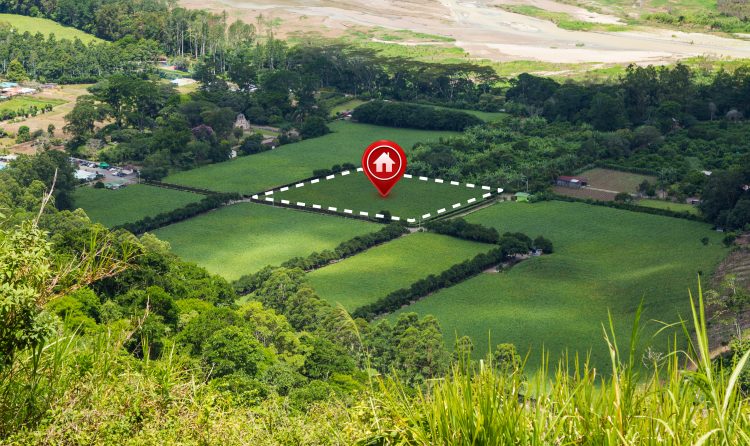


The Indian real estate market is changing due to a quiet but significant trend. Once fixated on luxurious homes and commercial buildings, Non-Resident Indians (NRIs) are now focusing on something far more grounded: managed farmland near Bangalore.
It goes beyond simple emotion. It goes beyond sentiment. It's a wise investment.
NRIs have been visiting agricultural developer sites, scheduling site inspections during their vacations to India, and making transactions on green plots nestled along Kanakapura Road and Mysuru Highway from the IT corridors of Silicon Valley to the financial districts of Dubai and Singapore. Why now, and why farmland, is the question.
1. A Emotional Connection to the Motherland
In India, land ownership is very personal for the majority of NRIs. It has to do with roots. It's about having a place to return to—real ground, trees, and an open sky, not simply a high-rise apartment.
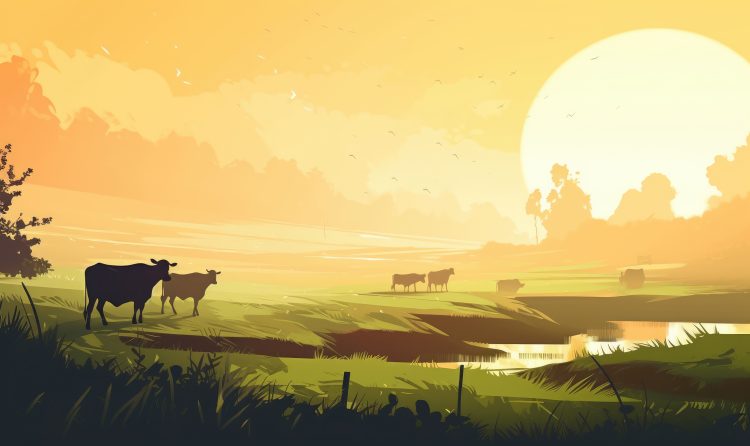
Urban real estate just cannot meet this emotional need in the same way as managed farms. Owning a portion of Karnataka's lush countryside, where your kids may run barefoot, where your parents can spend their retirement, and where you can unwind during yearly visits home, is incredibly meaningful.
2. Passive Income Without the Hassle
Management is one of the main issues NRIs have with Indian real estate. Who is in responsibility of the tenants? Who fixes the plumbing? Who deals with disputes?
This hassle is totally removed with managed farming. Soil preparation, crop selection, organic farming, irrigation, harvesting, and even revenue sharing from produce are all handled by expert farm management firms. Without having to do any work, an NRI owner gets regular updates, farm reports, and a portion of the yield.
3. Strong and Consistent Land Appreciation
Over the past ten years, farmland near Bangalore has shown extraordinary appreciation, and analysts predict that this trend will continue. Land values are rising due to rapid urbanization, infrastructural development along important thoroughfares like Kanakapura Road and NICE Road, and the increasing demand for eco-living communities.
4. The Post-Pandemic Mindset Shift
The way people view space, nature, and quality of life has been irreversibly changed by COVID-19. The concept of having a secure, eco-friendly, private hideaway in India became extremely attractive for NRIs who were stuck overseas or had to reevaluate their priorities.
5. A Lifestyle Asset That Doubles as an Investment
The fact that managed farmland is a lifestyle asset rather than just a investment NRI owners can build a farmhouse on their plot, organize family get-togethers, enjoy farm-fresh vegetables grown on their own property, and visit their farms on holidays.
There is a structural change in the way the Indian diaspora views wealth, origins, and well-being that is reflected in the NRI rush toward managed farmland near Bangalore. It blends long-term worth with everyday significance, passive income with personal joy, and financial planning with emotional fulfillment.