
Farmland investment near Bangalore and other growing cities has become one of the most discussed asset classes in recent years. With rising land prices, lifestyle demand, and interest in sustainable living, investors often face one key question: Managed farmland vs. traditional farmland—which is more profitable?
Both options have their advantages, but profitability today depends on more than just land value. This blog explores returns, risks, management effort, and long-term potential to help you make an informed decision.
Understanding Traditional Farmland Investment
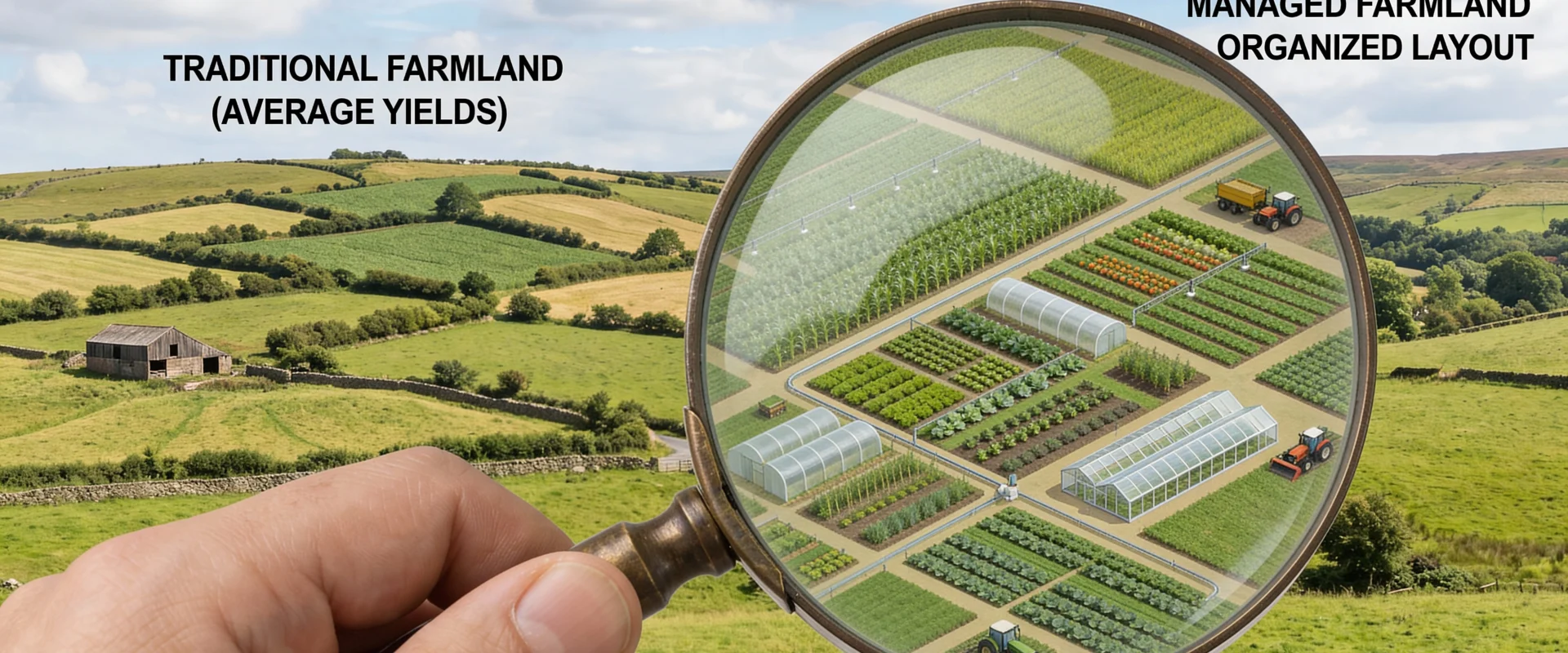
Traditional farmland refers to agricultural land purchased and managed entirely by the owner. The investor is responsible for farming activities, labor management, water resources, crop selection, and legal compliance.
Many investors prefer traditional farmland because of lower initial costs and direct ownership control. However, profitability depends heavily on agricultural knowledge, time involvement, and market conditions.
Key Features of Traditional Farmland
1. Lower entry price compared to managed farmland
2. Full control over farming decisions
3. Income depends on crop yield and market prices
4. Requires active involvement and supervision
While traditional farmland can be profitable for experienced farmers, it often becomes challenging for urban investors or first-time buyers.
What Is Managed Farmland?
Managed farmland is professionally developed agricultural land where a dedicated team manages all farming operations. These projects are usually part of gated farmland communities and include plantation, maintenance, security, and infrastructure support.
In managed farmland near Bangalore, investors benefit from hassle-free ownership while enjoying land appreciation and optional agricultural income. This model has gained popularity among professionals, NRIs, and long-term investors in 2026.
Key Features of Managed Farmland
1. Professional farm management from day one
2. Organic farming or plantation models
3. Minimal owner involvement required
4. Lifestyle amenities and better land usability
Managed farmland focuses on both financial returns and quality of life.
Profitability Comparison: Managed vs Traditional Farmland
1. Land Appreciation Potential
Managed farmland projects are usually located in high-growth corridors near major cities. Due to planned development, improved access roads, and legal clarity, these lands tend to appreciate faster than isolated traditional farmland.
Traditional farmland appreciation depends largely on location and future infrastructure. In remote areas, appreciation may be slow despite low purchase cost.
Winner: Managed farmland, due to strategic locations and development planning.
2. Income Generation and Cash Flow
Traditional farmland income depends on crop success, weather conditions, and market prices. Without proper knowledge, profits can affect traditional farmland income.
Managed farmland often follows long-term plantation models such as fruit trees, timber, or organic produce. While returns may take time, income is more stable and professionally optimized.
Winner: Managed farmland for predictable and managed income potential.
3. Maintenance and Operational Costs
Traditional farmland requires continuous spending on labor, irrigation, fencing, and crop management. Absence from the site often leads to misuse, crop failure, or land disputes.
Managed farmland includes maintenance costs within the project structure. Professional teams handle security, farming, and upkeep, reducing hidden expenses.
Winner: Managed farmland due to controlled and transparent costs.
4. Time and Effort Required
One of the biggest challenges with traditional farmland is time involvement. Owners must regularly visit the land, manage workers, and monitor farming activities.
Managed farmland is designed for investors who cannot actively manage land. Everything from soil preparation to harvesting is taken care of, making it ideal for urban buyers.
Winner: Managed farmland for passive ownership.
5. Legal Safety and Compliance
Traditional farmland buyers must independently verify land titles, zoning rules, and agricultural regulations. Errors in due diligence can lead to long-term legal issues.
Managed farmland projects usually come with verified documentation, clear titles, and compliant layouts. This reduces risk and improves resale value.
Winner: Managed farmland for legal clarity and peace of mind.
6. Long-Term Value and Exit Options
In 2026, resale demand for managed farmland is rising due to lifestyle buyers, second-home seekers, and investors looking for ready-to-use land. Gated farmland communities attract a broader buyer base.
Traditional farmland resale is limited mainly to local farmers or agricultural buyers, which can affect liquidity and exit timelines.
Winner: Managed farmland for better resale demand and liquidity.
When Does Traditional Farmland Make Sense?
Traditional farmland can still be profitable if:
1. You have agricultural expertise
2. You can actively manage the land
3. The land is located near future growth zones
4. You aim for long-term farming income
For hands-on investors with farming experience, traditional farmland remains a viable option.
Why Managed Farmland Is Gaining Popularity in 2026
Investing in managed farmland close to Bangalore has developed into a high-end asset class. Convenience, sustainability, and transparency are now more important to investors than manual labor.
Managed farmland provides a balanced mix of appreciation, income, and lifestyle benefits in response to the growing demand for weekend farmhouses, organic living, and safe land ownership.
Which Is More Profitable?
When comparing managed farmland vs. traditional farmland, managed farmland emerges as the more profitable and practical option for most modern investors. It offers faster appreciation, lower risk, professional management, and better resale potential.
Traditional farmland can still work for experienced farmers, but for urban investors seeking stress-free ownership and long-term value, managed farmland is the smarter choice in 2026.