
From Seed to Success: How Our Professional Team Manages Your Farmland from Day One
At Saptashwa Developers, we believe customer satisfaction and the return of investment should be consistent every year
Investing in a managed farmland will be the great choice in the upcoming years
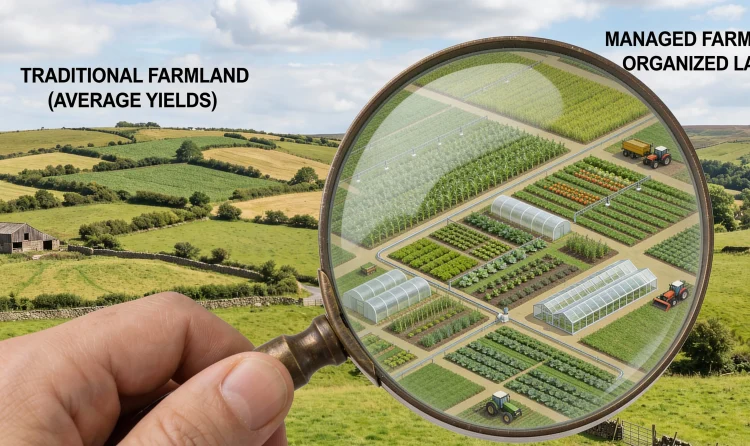
Because the owner doesn't have to do anything. In Saptashwa Developers, we have a professional team who manage all the things which includes planting, harvesting, and taking care of plants.
Phase 1: The Initial Onboarding and Soil Blueprint
Management does not begin with a tractor; it begins with data. On the first day, our team of agronomists and surveyors arrives at your property to conduct a comprehensive site assessment.
Soil Health and Topography Mapping
We treat soil like a biological bank account. We collect deep-core soil samples to determine pH levels, organic carbon content, and micronutrient profiles. This allows us to create a customized "nutrition plan" for your land.
Topographic Surveys
We conduct detailed on-ground land surveys to accurately study soil levels, natural slopes, and water flow patterns. This helps us plan proper grading and drainage systems, ensuring the farmland remains fertile, well-drained, and protected from waterlogging or soil erosion
Water Resource Audit
Our team tests existing water sources for purity and flow rates to determine the best irrigation strategy.
Phase 2: Scientific Crop Planning and Land Preparation
Once we understand the DNA of your soil, we move into the planning phase. Do not believe in one-size-fits-all farming. We choose crops based on your land’s characteristics, current market demand, and climate resilience.
Custom Cropping Patterns
Whether it’s high-value horticulture, timber, or organic grains, our experts create a crop rotation cycle that keeps soil fertile for years, not just months.
1- Fencing and Security: Protecting your investment from cattle encroachment or unauthorized access.
Infrastructure Development :
Before planting a single seed, we make sure the farm's "bones" are strong:
2-Irrigation Setup: Installing smart drip or sprinkler systems that reduce water waste.
3- Access Roads: Ensuring that even in the monsoon season, machinery and harvest trucks can move in and out efficiently.
Phase 3: Precision Seeding and Real-Time Monitoring
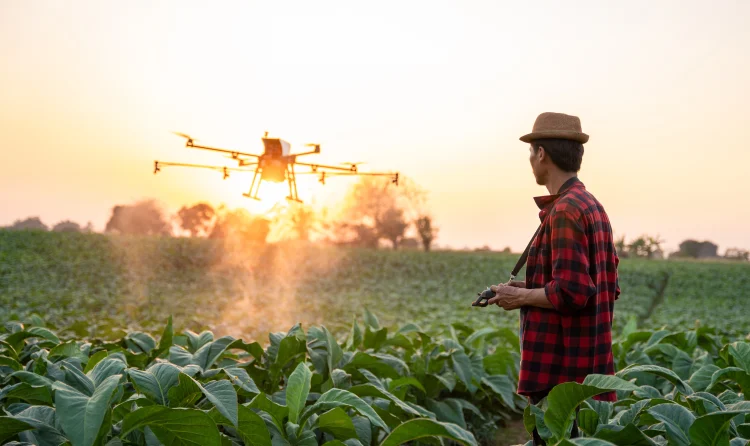
The difference between an amateur farm and a professionally managed estate lies in precision. Our team utilizes modern machinery to ensure seeds are planted at the proper depth and spacing for optimal growth.
Smart Farming Integration
:
We follow a practical, hands-on farming approach with regular field monitoring by experienced farm managers. Crop health, irrigation schedules, and soil conditions are manually observed and maintained, ensuring timely care, sustainable farming practices, and consistent land productivity without the use of automated sensors.:
Infrastructure Development:
Before planting a single seed, we make sure the farm's "bones" are strong:
1. Soil moisture levels.
2. Ambient temperature and humidity.
3. Early signs of pest infestations or nutrient deficiencies.
By detecting problems early on, we reduce the need for more aggressive chemical interventions later
Phase 4: Active Seasonal Management
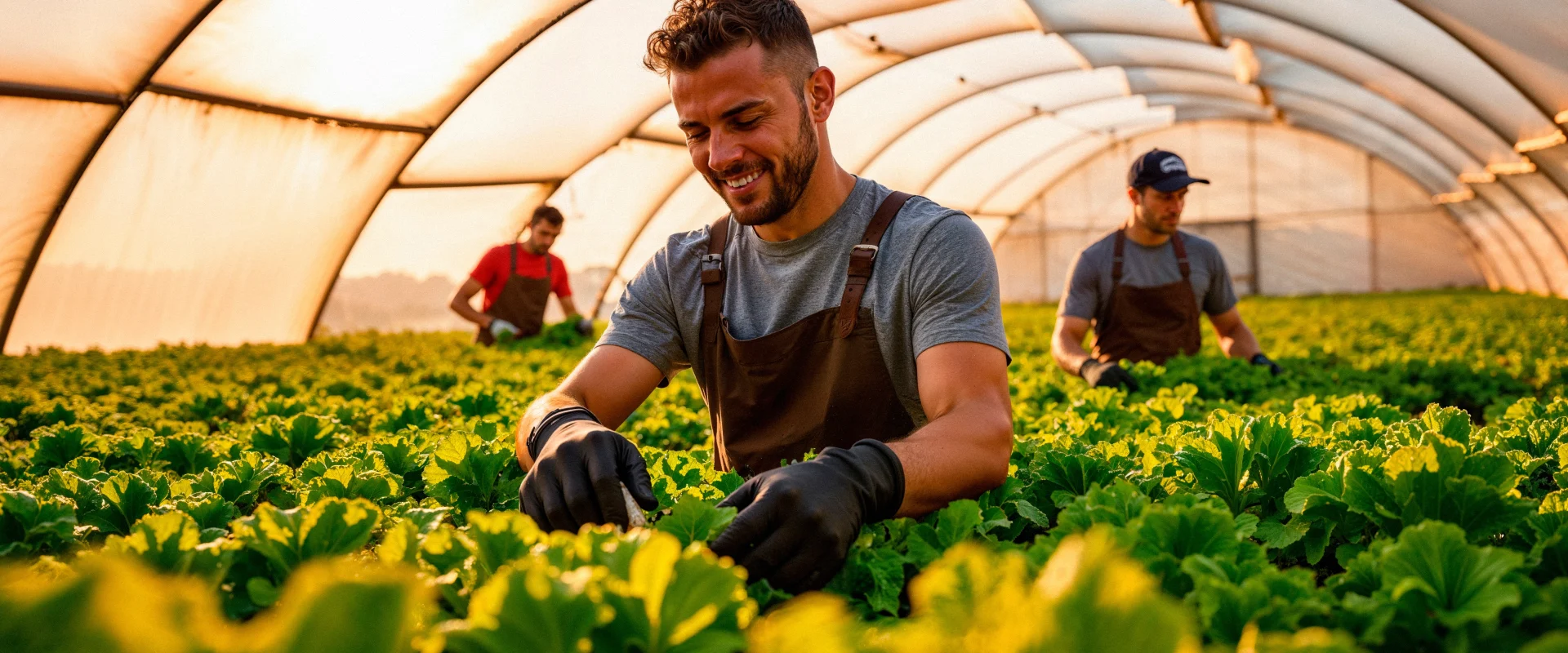
Farmland is a living, breathing asset that requires daily attention. Our on-ground farm managers handle the "heavy lifting" so you don’t have to.
Integrated Pest Management (IPM) :
We prefer biological controls and organic neem-based solutions over harsh pesticides. Our goal is to keep the ecosystem healthy, ensuring that pollinators like bees thrive, which in turn boosts your crop yields.
Fertilization and Weed Control :
We use the data from Phase 1 to apply fertilizers at precise intervals. To ensure zero waste and maximum root absorption, we focus on fertigation, which is the process of delivering liquid nutrients directly through the irrigation system.
Phase 5: The Harvest and Market Linkage
The most critical moment in the farming cycle is the harvest. Timing is everything; harvesting 48 hours too late can significantly reduce your produce's shelf life and market value.
Post-Harvest Technology
: Our team manages the entire harvest process using specialized equipment to reduce "shatter loss" or bruising. Once harvested, the produce is transferred to:
1. On-site Grading: Sorting produce by size and quality to maximize market value.
2. Cold Storage/Processing: If necessary, we assist with cold-chain logistics to prevent spoilage.
Direct Market Access
: One of the most significant challenges for individual farmers is the "middleman." Our management service includes direct access to wholesalers, exporters, and retail chains. We use our collective power to negotiate better prices for your harvest.
Phase 6: Transparent Reporting and Financials
As an investor, you have the right to know exactly how your land is performing. Our management style is built on radical transparency.
Daily growth report
Monthly Progress Reports: Photos and videos of your crops in various stages of growth.
Expense Tracking: A clear breakdown of labor, inputs, and maintenance costs.
Yield Projections: Data-driven estimates of your upcoming returns.
Why Choose Professional Management?
Managed farmland is not simply "farming"; it is Agri-Asset Management. By working with a professional team, you get:
Expertise: Access to PhD agronomists and experienced farm managers
Sustainability: We use regenerative practices that increase your land's value over time.
Passive Income: You enjoy the profits of the harvest without having to do any physical labor in the fields.
1: How is farmland managed from the first day after purchase?
From day one, our professional team handles land preparation, soil assessment, plantation planning, and regular maintenance to ensure healthy growth and long-term farmland value.
2: Do I need to be involved in daily farmland management?
No, complete farmland management is taken care of by experts, allowing you to enjoy hassle-free ownership while your land is professionally maintained and monitored.
3: How does professional farmland management increase returns?
Expert planning, timely farming practices, and continuous care improve crop health, land appreciation, and consistent long-term returns from managed farmland investments.