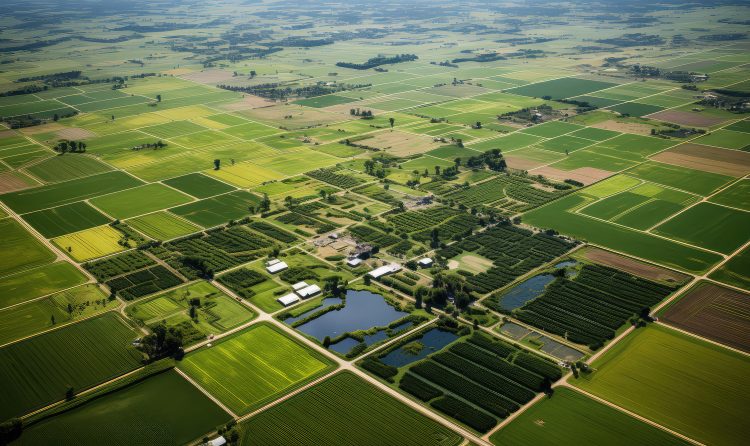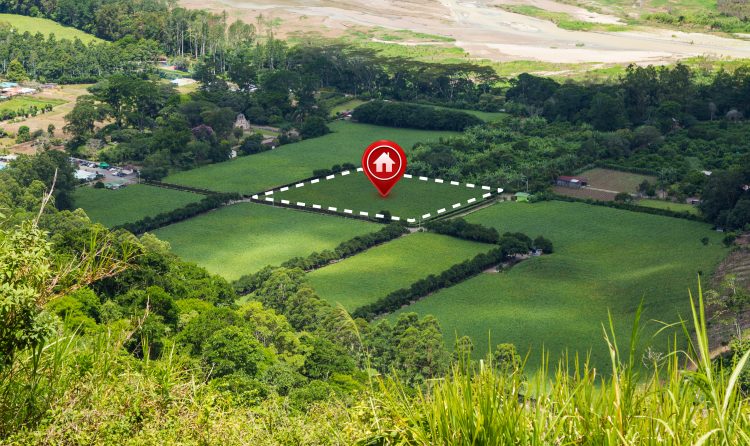


Managed farmland near Bangalore is rapidly becoming one of the most popular options for investors seeking stable returns and a nature-based lifestyle. With increased interest in farmland investment in Bangalore, buyers are choosing professionally managed farming projects that offer both financial growth and peaceful weekend retreats. This combination of sustainability, organic living, and expert farm management creates a valuable long-term asset.
One of the strongest advantages is earning passive income from farmland through professionally managed cultivation. Agronomists manage crops, irrigation, soil health, and seasonal harvests, ensuring consistent returns without requiring owners to participate in daily operations. This makes it ideal for busy professionals, NRIs, and first-time farmland buyers who want stable income without operational challenges.
Managed farmland also provides excellent farmland ROI in India, owing to long-term value appreciation and increased demand for agricultural assets. As more buyers look to buy farmland near Bengaluru, land prices continue to rise due to infrastructure growth, cleaner surroundings, and the need for open green spaces. This position managed farmland as a secure and high-potential wealth-building opportunity.
What further strengthens this trend is the growing shift toward sustainable farmland investment. Modern buyers prefer eco-friendly development, organic farming zones, and gated farmland communities that provide lifestyle advantages and environmental benefits. For anyone seeking passive income, future appreciation, and a meaningful connection with nature, managed farmland remains one of the smartest investments today.
Why Managed Farmland Works Better Than Owning Regular Farmland
Most traditional farmlands require:
- Daily supervision
- Farming knowledge
- Labour management
- Water and crop planning
- Seasonal risk handling
But managed farmland solves all these challenges with end-to-end management by agronomists and agricultural experts. This ensures:
- Consistent returns
- Zero operational involvement
- Sustainable farming practices
- Better land value appreciation