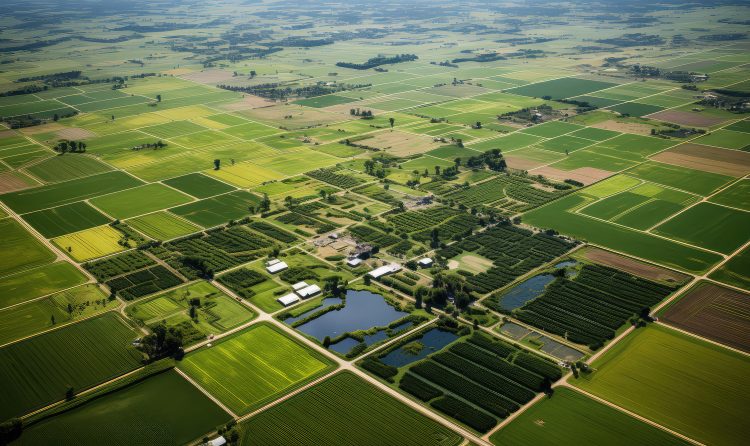


Investing in managed farmland near Bangalore has become one of the most popular trends among buyers looking for a safe farmland investment, passive income, and long-term land appreciation. Many first-time investors ask, "What crops are grown, and how is the produce shared with farmland owners?"
1. What Crops Are Grown in Managed Farmland Projects?
Modern managed farmland projects in Bangalore focus on high-value, sustainable, and market-driven crops that ensure stable returns and healthy soil.
● High-Demand Fruit Crops
Popular tropical fruits include mango, guava, banana, pomegranate, and other tropical fruits. These crops are perfect for Karnataka’s climate and offer strong seasonal returns.
● Timber & Long-Term Plantation Crops
Crops like Melia dubia, sandalwood, and teak are popular in managed farmlands because they provide a high long-term ROI and require little maintenance.
● Organic Vegetables & Leafy Greens
Tomatoes, okra, brinjal, spinach, and leafy greens are grown organically, making them ideal for regular harvest cycles and consistent earnings.
● Medicinal & Herbal Crops
Herbs such as aloe vera, moringa, lemongrass, and others are becoming increasingly popular as the health and wellness industry grows.
● Intercropping & Seasonal Crops
Millets, pulses, and oilseeds help to maintain soil fertility and generate extra income while your main crops grow.
This mixed-cropping strategy allows for increased productivity, sustainable farming, and higher returns on farmland investment near Bangalore.
How Is the Produce Shared With Farmland Owners?
● Fully Managed Farming System
Professional teams handle all activities, including plowing, planting, irrigation, crop care, harvesting, and marketing, to provide owners with a completely hassle-free farmland ownership experience.
● Farm-to-Market Selling
Once harvested, the produce is:
- 1.Sorted and graded
- 2.Packed for premium organic stores
- 3.Sold to wholesale markets
4.Distributed through direct farm-to-home channels
This ensures maximum profits and no waste
● Transparent Profit-Sharing Model
Most managed farmland companies near Bangalore use fixed revenue splits like 70:30 or 60:40.But at Saptashwa, we don’t follow any revenue-sharing model. Owners simply pay maintenance charges based on plot size and actual harvesting costs This keeps the investment transparent, flexible, and fully in the buyer’s control.
● Plot size
● Crop type
● Yield quantity
● Market value
Owners receive their share annually or per harvest cycle.
● Regular Farm Updates
Investors get:
Monthly farm reports
Yield summaries
Photos/videos of crop progress
Financial statements
This builds trust and gives complete clarity.
Why This Model Benefits Farmland Owners
● Zero maintenance burden
● Passive income every year
● Appreciating asset near Bangalore growth corridors
● Organic living and weekend getaway lifestyle
● Sustainable farming with expert management
If you're searching for managed farmland for sale near Bangalore, organic farmland investment, or gated community farmland projects, this model offers a unique combination of lifestyle, sustainability, and financial growth.
What are the 7 different types of farms?
Dairy Farms — Focus on milk production and dairy products such as curd, cheese, and butter.
Crop Farms — produce grains, vegetables, fruits, and cereals on large-scale agricultural land.
Livestock Farms – Raise animals such as goats, sheep, pigs, and poultry for meat and other products.
Organic Farms – Produce chemical-free crops using natural fertilizers and sustainable farming practices.
Mixed Farms — Combine crop cultivation with livestock rearing for balanced income and resource use.
Fish farms (aquaculture) are facilities that breed and raise fish, prawns, and aquatic species in ponds or tanks for commercial supply.
Plantation Farms — Large estates growing single crops like tea, coffee, rubber, pepper, or coconut.
What are the 10 major crops of India?
1. Rice – India’s main staple food crop grown in high-rainfall areas.
2. Wheat – Major winter crop that is widely grown throughout northern India.
3. Maize – Multipurpose crops used for food, feed, and industry.
4. Pulses – Protein-rich crops like dal, chickpea, and pigeon pea.
5. Sugarcane –A major commercial crop for sugar and jaggery.
6. Cotton – is an important fibre crop that supports textile production.
7. Oilseeds – Groundnut, mustard, soybean used for edible oils.
8. Tea –A popular beverage crop grown in hilly areas.
9. Coffee – South Indian plantation crop known for premium quality.
10. Spices – Includes turmeric, pepper, cumin, widely exported.